A rental house is not insured the way the house you live in is. A rented property is written on a rental dwelling policy, often called a dwelling fire or landlord policy. A house you are renovating to sell is written on a vacant or renovation policy for the months it sits empty with a crew in it. A property you manage for someone else is written with the owner and the manager both named. Each is a different form, and a homeowners policy written for an owner who lives there is the wrong one for all three.
The landlord policy
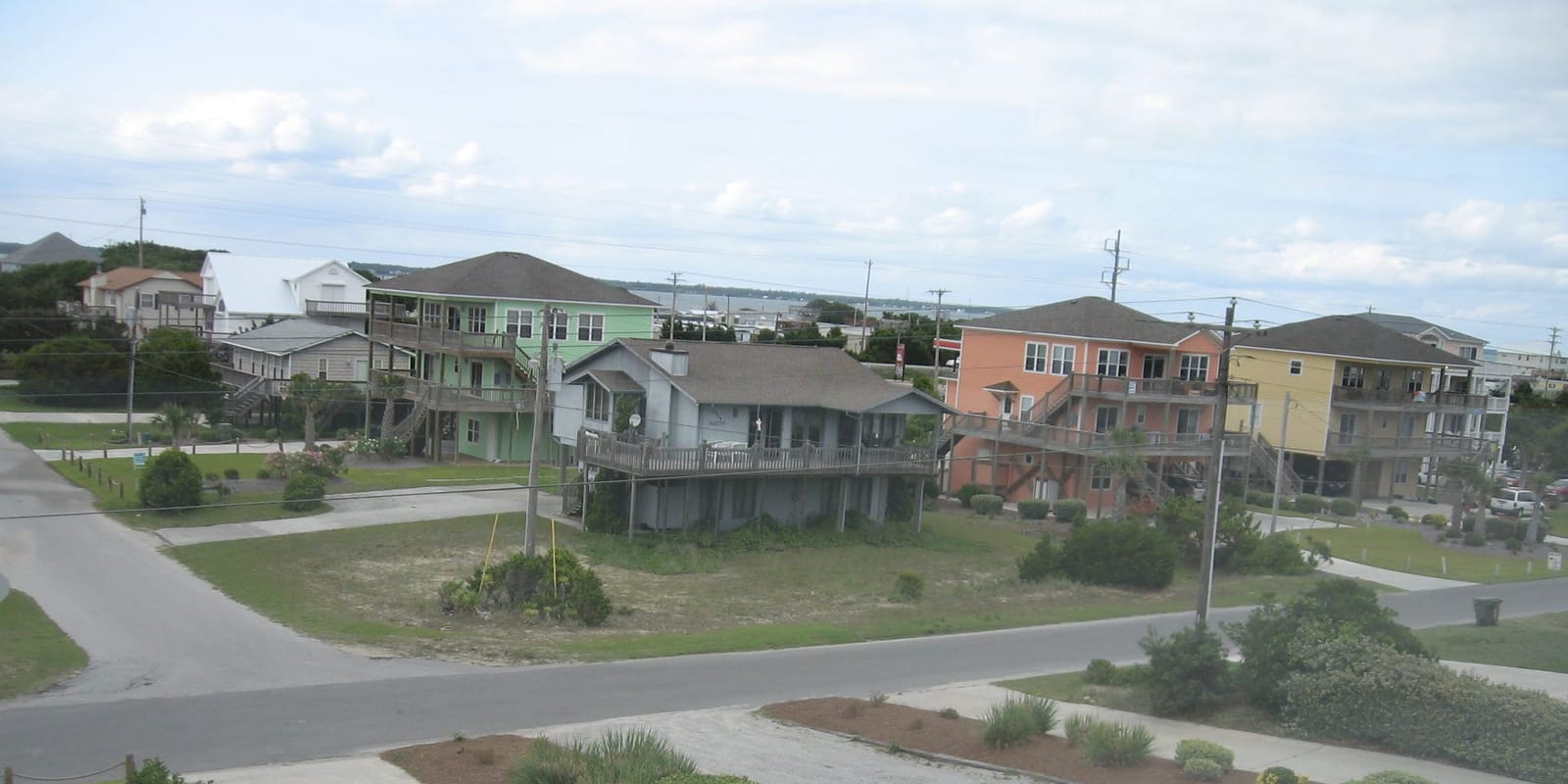
A rental dwelling policy covers the structure, the landlord-owned contents such as appliances and window coverings, loss of rental income after a covered loss, and your liability as the owner of a property other people live in. The loss-of-rents piece is the one owners forget until a kitchen fire makes the house unrentable for a season and the mortgage is still due. The tenant’s own belongings are not covered; those belong on a renters policy the tenant buys.
Long-term tenant or short-term rental
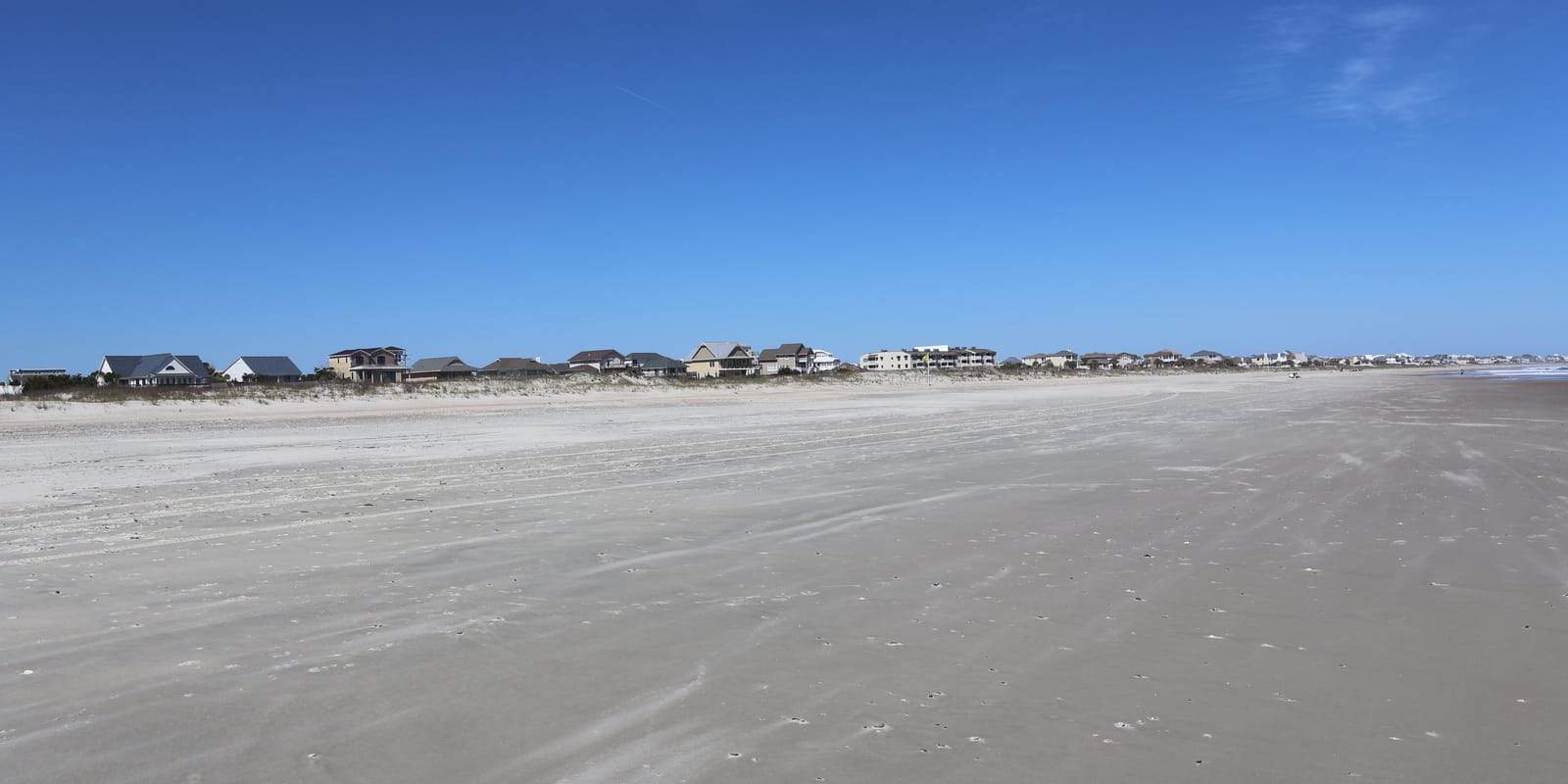
A twelve-month lease and a beach house listed by the week are underwritten as different classes. A short-term rental sees more people, more turnover and more wear, and a policy written for a long-term tenant may not respond the same way. Tell the agency honestly how the property is rented, who manages it and whether you are ever in it yourself.
The flip
A house bought to renovate and sell spends weeks or months vacant, often with contractors in it. Most homeowners and landlord policies exclude a house left vacant beyond a set number of days, and a vacant house with open walls and a crew on site is a risk those policies were never built for. A vacant or renovation policy is written for exactly that window: the structure, the materials on site, and the liability while people work in it. Tell the agency the timeline and the scope, and whether the contractors carry their own insurance.
Managed properties
A property manager handling houses for several owners needs the owners’ policies to name the manager where the policy allows it, and the manager’s own business needs its own liability coverage. Portfolio programs exist for owners with several rentals. The agency writes these for landlords and property managers in North and South Carolina, including the Greenville area.
Flood, wind and the coast
Flood is a separate policy for every rental, and the North Carolina Department of Insurance says of homeowners policies what is true of landlord policies too: “Homeowners insurance policies do not cover flood damage.” On the coast, the wind and hail deductible applies to a rental house exactly as it does to the one you live in, and it is usually a percentage of the dwelling limit. Translate it to dollars before you sign.
What to have ready
For each property: the address, the year built, the roof age, how it is rented and managed, whether it is vacant or under renovation, and the current declarations page if you have one. Call (910) 421-2180 or start online.