A small contractor’s insurance program on the North Carolina coast has four parts: general liability for damage or injury your work causes to others, workers’ compensation where you have employees, commercial auto for the trucks and vans, and coverage for the tools and equipment that travel with the crew. A certificate of insurance is the one-page snapshot of those policies that a general contractor or property owner asks for before you start, and it is only as good as what sits behind it.
General liability
General liability responds to bodily injury or property damage to other people that arises from your work, on the jobsite and after the job is finished. A landscaper’s mower throws a stone through a window; an HVAC crew’s condensate line floods a ceiling a month after the install. Those are general liability claims. It is the line every certificate request is really about, and the one a general contractor reads first.
Workers’ compensation
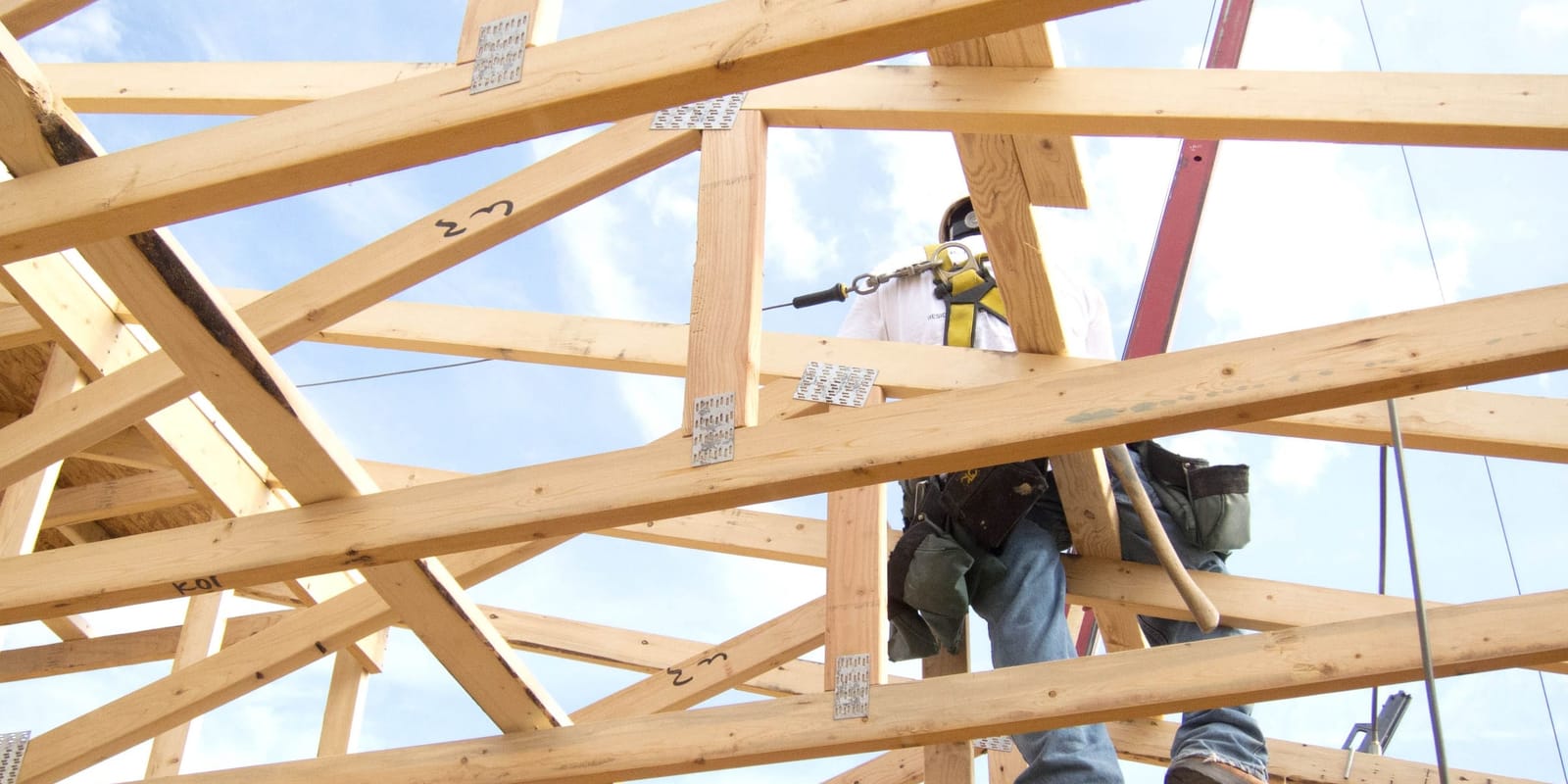
Workers’ compensation covers employees hurt on the job: their medical costs and part of their lost wages. Whether it applies depends on whether you have employees, how your crew is paid and North Carolina’s rules for your trade. A one-person operation and a crew of six are in different positions, and a contractor who uses subcontractors should know whether those subs carry their own coverage, because a general contractor will ask.
Commercial auto
A truck or van that works for the business belongs on a commercial auto policy. A personal auto policy may not respond to a loss that happens on the job, and a landscaper’s trailer or a plumber’s van full of tools is exactly the vehicle an insurer asks about. This is one of the most common gaps in the trades, and one of the cheapest to close relative to what it protects.
Tools and equipment
Inland marine coverage, in insurance language, covers the gear that moves: mowers, trimmers, compressors, hand and power tools, the equipment that is on the truck rather than fixed to any one building. A homeowners policy does not cover it; a general liability policy does not either.
The coast and the trades
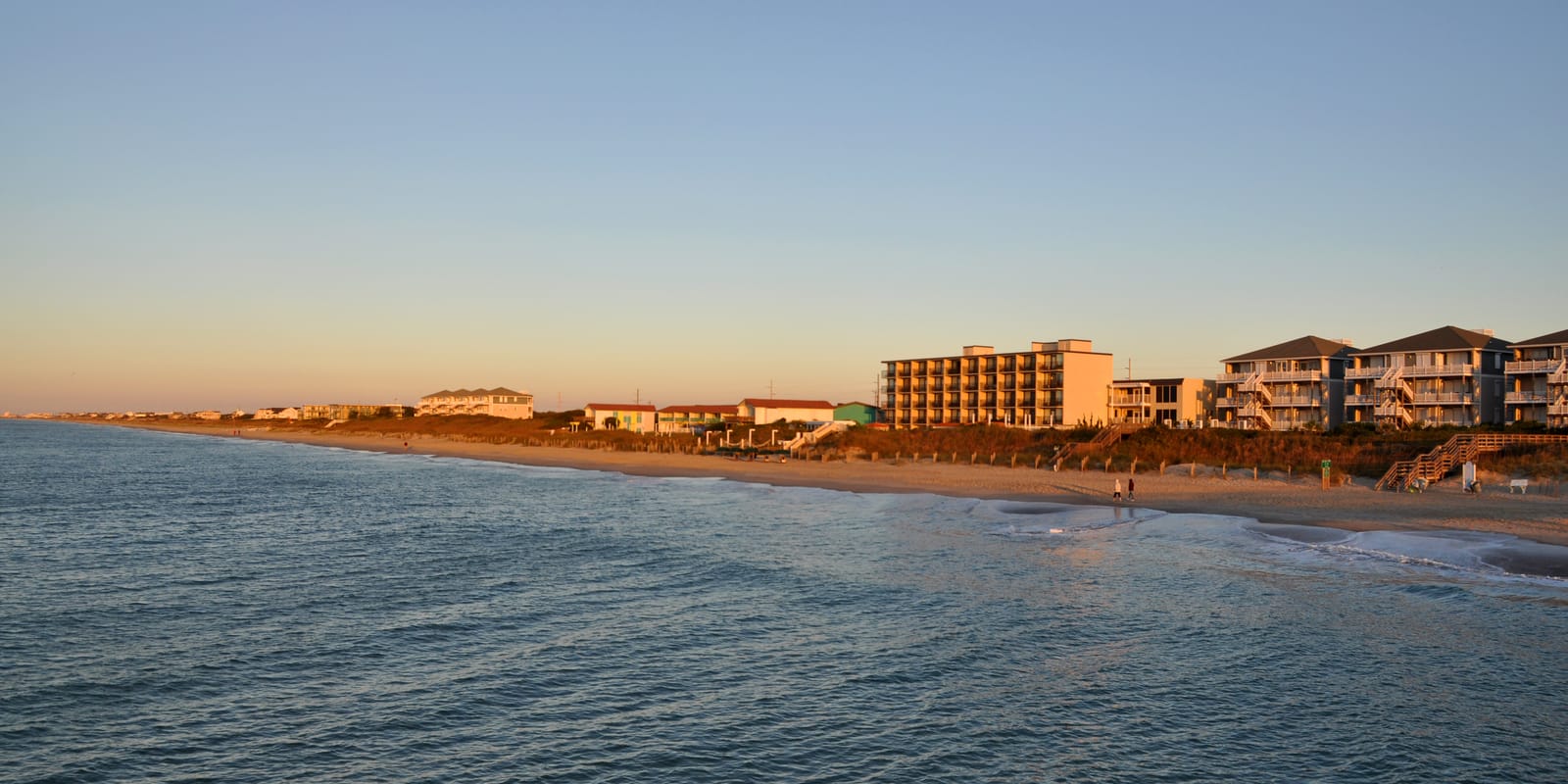
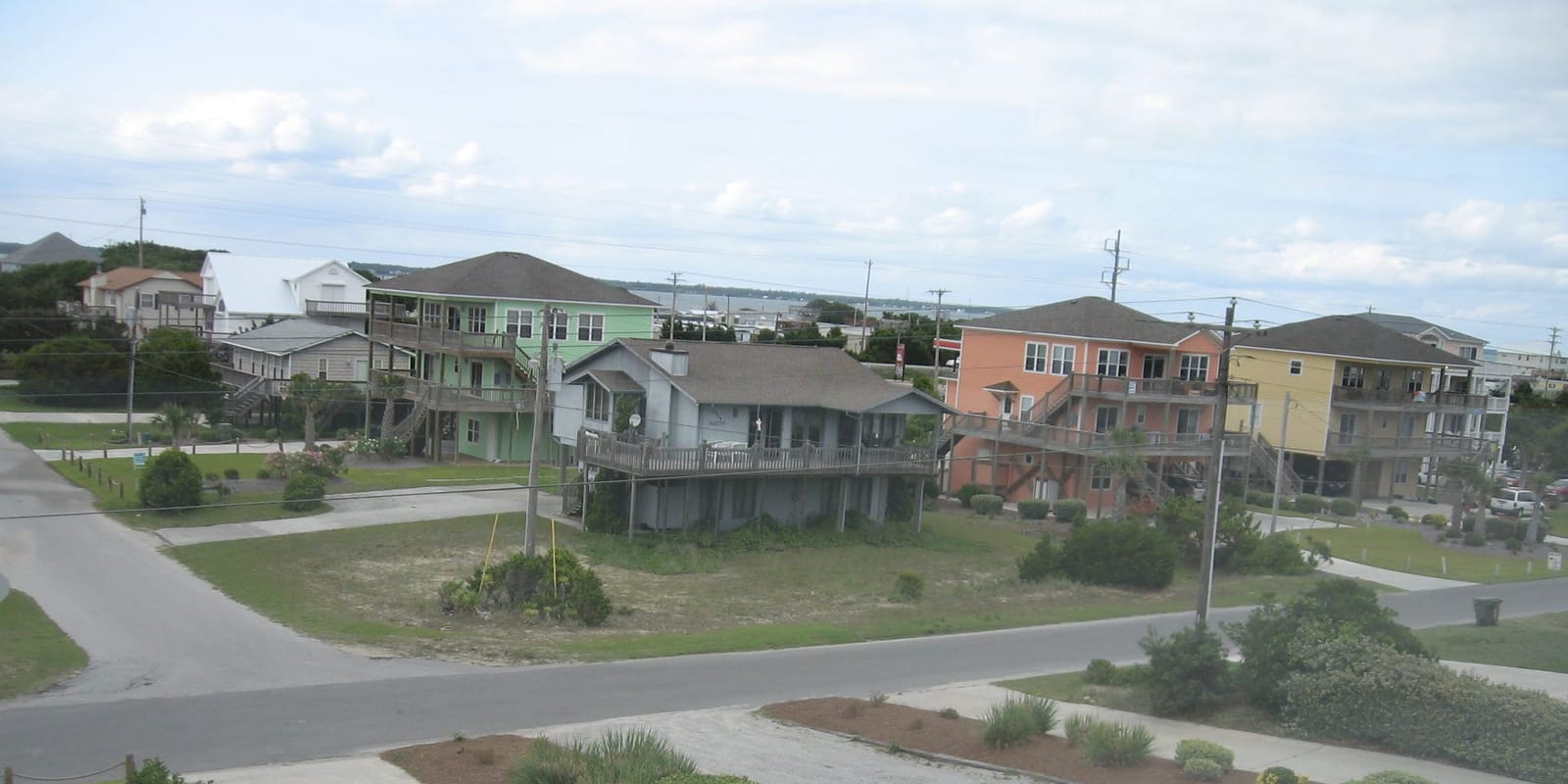
Carteret County has 2,249 employer establishments (U.S. Census Bureau QuickFacts, 2023), and much of the work along the coast is building, repairing and maintaining property that sees salt, wind and water. Roofing after a storm, replacing a dock, elevating a house, servicing the HVAC that runs all summer: each is a trade with its own exposures, and the certificate a client asks for should reflect the actual work.
Getting ahead of the request
The contractors who never lose a bid to paperwork are the ones whose program was in place before the request came. Bring the agency your trade, the counties you pull permits in, how your crew is paid, whether you use subcontractors, and your vehicle and equipment list. The next certificate request is then a two-minute task.