After a coastal storm, the question that decides which policy pays is where the water came from. Water that rose from outside the house, whether surge off Bogue Sound or a creek overflowing, is flood, and the North Carolina Department of Insurance is unambiguous: “Homeowners insurance policies do not cover flood damage.” Water that came in through a roof or a window the wind opened is generally a homeowners question. The two are adjusted separately, often by different people.
Why the line exists
Flood is excluded from homeowners policies because it behaves differently from the perils those policies were built for. A fire takes one house; a surge takes a street. Flood coverage is written through the National Flood Insurance Program or a private flood insurer so that the risk is pooled and priced on its own terms. The exclusion is not a loophole; it is the structure.
What “rising water” means
Flood policies respond to water rising from outside the building: storm surge, tidal flooding, overflow from a river or sound, and surface water from heavy rain that pools and enters at ground level. Water that comes in from above, through storm damage to the roof, siding or windows, is treated as wind-driven rain and sits with the homeowners or wind policy, subject to its deductible.
How a claim is split
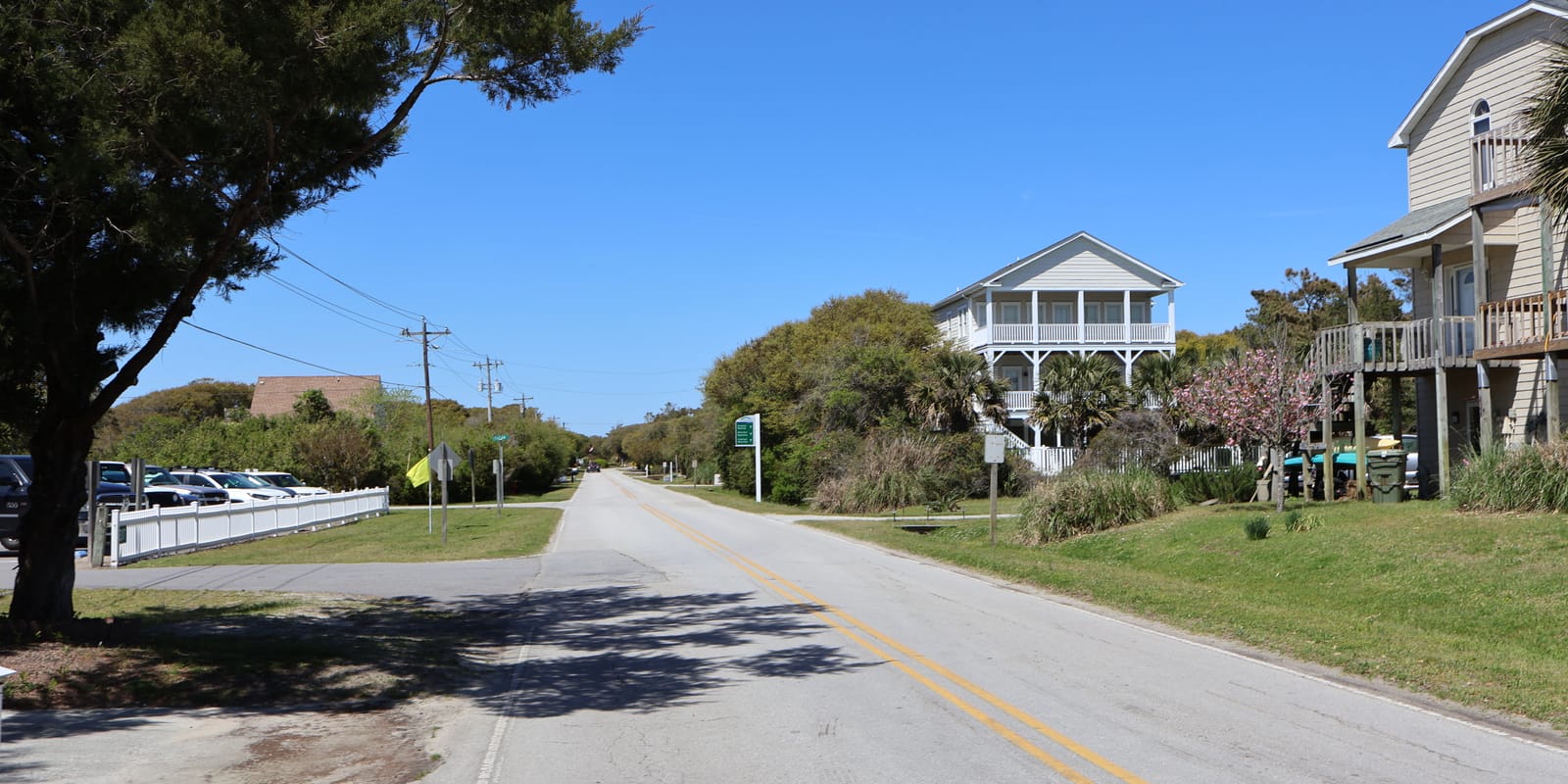
Picture a sound-front house in Cedar Point after a named storm. The ground floor took water from the sound. The roof lost shingles and the ceiling in a bedroom came down. The flood adjuster handles the ground floor under the flood policy; the homeowners or wind adjuster handles the roof and the bedroom. Each policy has its own deductible and its own limits. A homeowner who has both policies has two adjusters working; a homeowner with only one has a conversation that does not end well.
Contents are their own question
Flood policies cover the building and its contents separately, and contents coverage is a choice. A homeowners policy covers personal property for its own perils. After a storm, the same sofa can be a flood contents claim or a homeowners claim depending on how it was ruined. Knowing which coverage you bought, and at what limits, before the season starts is worth an hour of your time.
Before the season
Walk the house with a phone and photograph every room, the roof line, the crawl space or ground floor, and anything in the yard that a storm could move. Keep the declarations pages for every policy where you can find them without power. If you are not sure whether your flood coverage includes contents, or whether your homeowners policy carries a separate wind deductible, ask. Those are the two questions we hear most after a storm, and the right time to answer them is before.